Interesting Facts About Healthy Snacking You Probably Never Knew
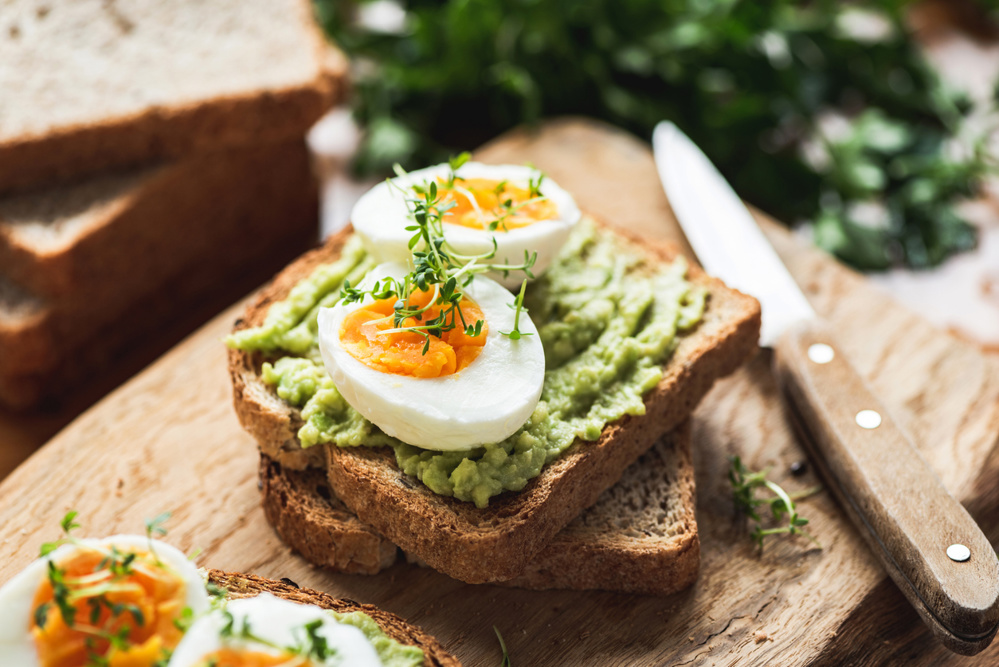
Healthy snacking is often viewed as a simple way to satisfy hunger between meals, but it can play a much larger role in supporting energy, focus, and overall well-being. The right snacks help stabilize blood sugar, provide essential nutrients, and prevent the extreme hunger that often leads to overeating later in the day. Far from being a dietary weakness, strategic snacking can be an important part of a balanced eating pattern.
Modern nutrition research continues to reveal how small food choices influence everything from cognitive performance to heart health. Whether you're looking to maintain steady energy, improve concentration, or simply make smarter food choices, understanding how healthy snacks work can help you get more from every bite.
Why Your Energy Crashes Between Meals (And How Snacking Fixes It)
Many people experience a noticeable drop in energy during the afternoon, particularly between 1 PM and 4 PM. While poor sleep and busy schedules can contribute, your body's natural daily rhythm also plays a role. Energy levels naturally fluctuate throughout the day, and long gaps between meals can make these dips feel even more pronounced.
Food choices often intensify the problem. Meals high in refined carbohydrates can cause blood sugar to rise quickly and then fall just as rapidly. This cycle may leave you feeling sluggish, distracted, and hungry again sooner than expected. Without protein, fiber, or healthy fats to slow digestion, energy levels can become unpredictable.
Balanced snacks help prevent these dramatic fluctuations. Combining complex carbohydrates with protein or healthy fats provides a steadier source of fuel, helping maintain concentration and reducing the likelihood of an afternoon crash. Rather than serving as a temporary fix, smart snacking can help create more consistent energy throughout the day.

How Snacking Every 3–4 Hours Stabilizes Your Blood Sugar
When you eat, your body breaks down food into glucose—your primary fuel source. Skipping meals disrupts glucose rhythms, triggering cortisol and ghrelin spikes that throw off hormonal stability. Strategic meal timing every 3–4 hours keeps these hormones balanced and your appetite cues reliable. Here's what consistent snacking actually does:
- Prevents prolonged fasting that crashes blood sugar
- Smooths hormonal spikes linked to irregular eating
- Aligns nutrient intake with your circadian rhythm
- Reduces erratic appetite cues from glucose dips
- Supports steady metabolic and hormonal stability
Small, timed meals maintain even glucose rhythms throughout your day, helping your body run efficiently without the rollercoaster of energy highs and lows. To further support your goals, calculating your daily protein and carb targets can help you structure snacks that sustain energy without excess calories. Irregular eating patterns can also disrupt your circadian rhythm over time, potentially elevating your long-term risk of weight gain.
Hungry for knowledge? Serve yourself another round of food trivia.
The Brain-Boosting Snacks That Sharpen Focus and Kill Fatigue
The brain requires a constant supply of nutrients to function efficiently. While sugary snacks may provide a quick burst of energy, they often lead to a crash that leaves you feeling less alert than before. Nutrient-rich foods provide a more reliable source of fuel for concentration and mental performance.
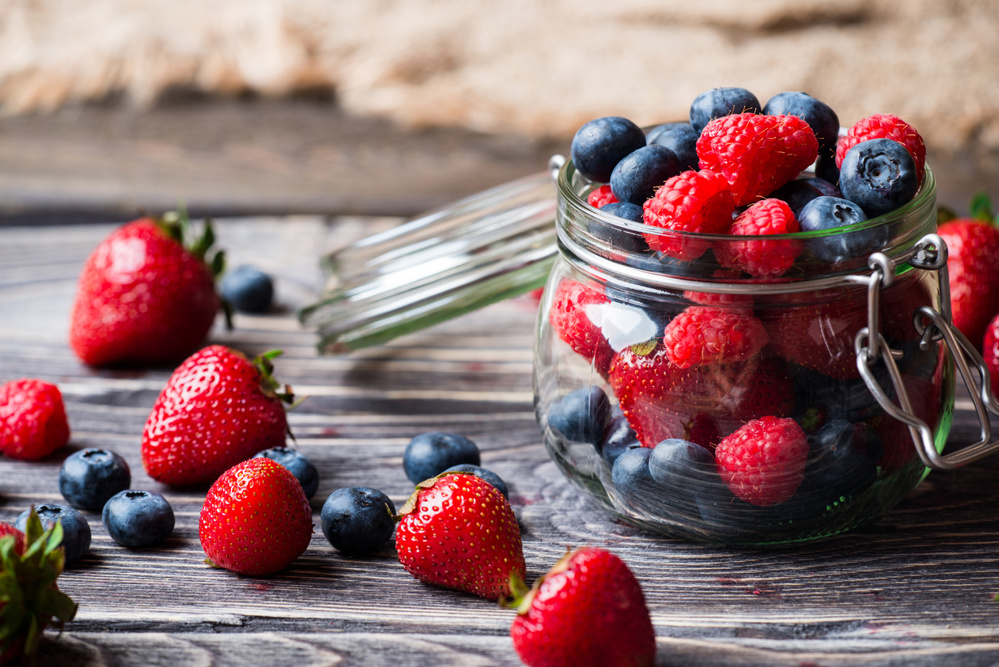
Foods rich in omega-3 fatty acids, such as walnuts and flaxseeds, support brain health and cognitive function. Berries provide antioxidants that help protect brain cells from oxidative stress, while pumpkin seeds offer minerals linked to concentration and mood. Even small amounts of dark chocolate may contribute to improved alertness thanks to naturally occurring compounds called flavanols.
Combining these foods can create snacks that support both immediate focus and long-term brain health. Greek yogurt with berries, for example, provides protein, antioxidants, and carbohydrates that work together to sustain energy and concentration.
The Biggest Healthy Snacking Myths Explained
Healthy snacking is surrounded by misconceptions that often discourage people from making informed choices. One of the most common myths is that all snacking leads to weight gain. In reality, the quality and quantity of snacks matter far more than the act of snacking itself.
Another widespread belief is that eating after a certain time automatically causes weight gain. While late-night eating can sometimes contribute to excess calorie intake, the overall pattern of eating throughout the day is generally more important than a specific hour on the clock. Similarly, foods labeled as "low-fat" are not always healthier, especially when they contain added sugars or highly processed ingredients.
Understanding these misconceptions helps people focus on what truly matters: choosing nutrient-dense foods, managing portions, and creating sustainable habits. Healthy snacking should support your goals, not complicate them.
Why Healthy Snacks Help You Eat Less at Main Meals
Feeding your brain with the right snacks keeps you sharp, but smart snacking does something equally powerful for your waistline—it actually helps you eat less when mealtime arrives. Strategic meal timing triggers satiety signaling hormones that regulate hunger before you sit down to eat. High-protein, high-fiber snacks lower ghrelin while boosting GLP-1, naturally shrinking your appetite at main meals. Here's what smart snacking delivers:
- Reduces total daily calorie consumption
- Stabilizes blood glucose, preventing compensatory overeating
- Lowers ghrelin and elevates fullness hormones
- Shrinks subsequent meal portions through prolonged fullness
- Curbs impulsive, high-calorie food choices
Pairing apple slices with peanut butter or carrots with hummus satisfies hunger effectively. Quality whole-food snacks around 100–200 calories fit your daily goals without derailing progress. Experts recommend skimping on calories earlier in the day often leads to overeating later, making consistent, balanced snacking a critical tool for managing overall intake.
How Snacking Lowers Cholesterol and Supports Heart Health
Snacking strategically doesn't just curb hunger—it actively protects your heart. Choosing almonds daily delivers real almond benefits: reduced LDL cholesterol, lower inflammation, and improved gut bacteria, all confirmed in a 12-week clinical trial.
Plant sterols in nuts compete directly with cholesterol for intestinal absorption sites, blocking dietary cholesterol from entering your bloodstream and contributing to a 19% lower cardiovascular disease risk. Soluble fiber snacks like oats and apples trap cholesterol through gel formation, forcing your liver to pull LDL from your bloodstream instead. Healthy fats from avocados and extra-virgin olive oil raise HDL while lowering LDL.
Frequent fiber-protein snacks also inhibit liver cholesterol synthesis and stabilize insulin, preventing the high-triglyceride, low-HDL pattern that signals serious cardiovascular risk. Research published in Nutrition Research found that snacking on 50 g of almonds daily was linked to meaningful improvements in cholesterol levels and metabolic health markers in adults with metabolic syndrome.
What Separates a Nutrient-Dense Snack From Empty Calories
Protecting your heart through smart snacking only works if the snacks you choose actually deliver meaningful nutrition. Micronutrient profiling reveals that your calorie to nutrient ratio determines whether a snack fuels or fails you.
Nutrient-dense snacks include:
- Fresh fruit, vegetables, eggs, and lean meats
- Whole wheat bread delivers 250–500 micrograms of Vitamin E at 80 calories
- High fiber and protein content that promotes lasting fullness
- Foods supporting blood sugar regulation and digestion
- Soy milk providing 300mg calcium with fewer calories than cheddar cheese
Empty-calorie options like cookies, soda, and chips trigger compensatory overeating because your body hungers for unmet nutrient needs. Choosing density over mere energy transforms snacking into genuine nourishment. Nutrient-dense eating delivers more nutrition for fewer calories, meaning your body's needs are met without requiring excessive food intake.
The Best Balanced Snack Combos for Lasting Energy
The most effective snacks typically combine multiple nutrients rather than relying on a single ingredient. While a piece of fruit or a handful of crackers may provide a quick source of energy, pairing carbohydrates with protein, fiber, or healthy fats helps create a more balanced snack. This combination slows digestion, supports stable blood sugar levels, and provides a steadier release of energy throughout the day.
Classic examples include apple slices with almond butter, whole-grain crackers with hummus, or Greek yogurt topped with berries and walnuts. Each of these pairings delivers a mix of nutrients that work together to satisfy hunger and support sustained energy. Protein helps promote fullness, fiber slows the absorption of carbohydrates, and healthy fats contribute additional staying power.
The key is to think beyond convenience and focus on balance. Combining complementary ingredients can help prevent energy crashes, reduce cravings between meals, and make healthy eating more enjoyable. A well-balanced snack not only satisfies immediate hunger but also supports productivity, focus, and overall wellness throughout the day.
How Healthy Snacking Habits Have Changed Over Time
Snacking habits have evolved significantly over the past century. Earlier generations often relied on simple foods such as fruit, nuts, bread, cheese, or leftovers between meals. These snacks were typically homemade, minimally processed, and closely tied to local ingredients and seasonal availability. For many families, snacking was less about convenience and more about making use of foods already available in the household.
The rise of convenience foods during the twentieth century transformed the way people snacked. Grocery stores became filled with packaged crackers, chips, candy bars, and other ready-to-eat products designed for busy lifestyles. While these options offered portability and convenience, they also increased the availability of foods high in added sugars, refined carbohydrates, and sodium.
Today, growing interest in wellness and nutrition has sparked renewed attention to healthier snack choices. Consumers are increasingly seeking options that offer both convenience and nutritional value, leading to greater demand for products made with whole grains, nuts, fruits, seeds, and other minimally processed ingredients.
Conclusion
Healthy snacking is about far more than satisfying hunger between meals. The right snacks can help stabilize energy levels, support brain function, improve heart health, and make it easier to maintain balanced eating habits throughout the day. By choosing nutrient-dense foods and combining them thoughtfully, snacking becomes a practical tool for supporting overall wellness.
Whether it's a handful of nuts, a bowl of yogurt and berries, or a traditional snack enjoyed in cultures around the world, healthy choices can have lasting benefits. Small, consistent decisions often make the biggest difference, proving that even a simple snack can play an important role in long-term health.