Why Tex-Mex Dominates Pop Culture
Tex-Mex dominates pop culture because it has never existed within a single category. It's a musical tradition born from cultural exchange, a storytelling style that helped shape American country music. What began along the Texas-Mexico border eventually spread far beyond the region, becoming one of the most recognizable expressions of cultural fusion in the United States.
From the rise of conjunto music and Tejano legends to Hollywood films and billion-dollar food industries, Tex-Mex has repeatedly crossed boundaries that many cultural movements never manage to overcome. Its influence can be heard in popular music, seen on movie screens, tasted in restaurants, and felt throughout American culture. Rather than remaining a regional phenomenon, Tex-Mex evolved into a mainstream force that continues to shape how people experience music, food, and identity.
Tex-Mex Was Never Just a Regional Sound
Tex-Mex music did not emerge from a single tradition. Instead, it developed through decades of interaction between Mexican communities and European immigrants who settled throughout Texas during the nineteenth century. German, Czech, and Polish settlers brought musical styles such as polka and waltz, introducing instruments that would eventually become central to the evolving sound of the borderlands.
At the same time, Mexican communities maintained strong traditions rooted in corridos, rancheras, and folk music. One instrument came to symbolize this cultural exchange more than any other: the accordion. Originally associated with European dance music, it was embraced by Mexican-American musicians who adapted it to local rhythms and storytelling traditions.
By the early twentieth century, the accordion had become a defining feature of conjunto music, creating a sound that felt familiar to multiple communities while remaining entirely unique. Dance halls and community gatherings became spaces where these influences blended naturally.
The genre's growth reflected the broader reality of life along the border. People moved between languages, traditions, and identities every day, and the music mirrored that experience. Rather than belonging exclusively to one culture, Tex-Mex music thrived because it represented a shared space where different influences could coexist.
How Tex-Mex Rewired American Rock and Country
The influence of Tex-Mex extends far beyond its own genre. Many of the storytelling techniques that define American country music share strong similarities with the Mexican corrido tradition, which has long documented historical events, legendary figures, and tales of hardship or heroism.
Cultural influence extended beyond lyrics as well. The image of the American cowboy owes much to the traditions of Mexican vaqueros, whose horsemanship, clothing, and ranching practices shaped life throughout the Southwest. Over time, these influences became deeply embedded in country music's visual identity.
Tex-Mex musicians also helped expand the reach of country music itself. Powerful border radio stations broadcast music across vast portions of the United States during the early twentieth century, exposing new audiences to regional styles and performers. By the 1970s, artists such as Johnny Rodriguez had achieved major commercial success, demonstrating that Mexican-American performers could thrive within mainstream country music.
The Texas Tornados Made the Border Sound Impossible to Ignore
By the late 1980s, Tex-Mex music had already established a loyal following, but few groups would do more to elevate its visibility than the Texas Tornados. Formed by celebrated musicians including Flaco Jiménez, Doug Sahm, Freddy Fender, and Augie Meyers, the band brought together decades of experience across country, rock, blues, and conjunto music. Their collaboration created a sound that perfectly captured the multicultural spirit of the borderlands.
Unlike artists who merely borrowed elements from Tex-Mex traditions, the Texas Tornados embodied them. Their music seamlessly blended English and Spanish lyrics with accordion-driven melodies, country influences, and rock energy. Songs such as "A Little Bit Is Better Than Nada" and "Who Were You Thinkin' Of?" introduced many listeners to a style that felt both familiar and entirely new.
The group's popularity helped legitimize Tex-Mex as a major force within American music rather than a niche regional genre. Their Grammy-winning achievements and national exposure opened doors for future artists while proving that border culture could thrive on mainstream stages. In many ways, the Texas Tornados transformed Tex-Mex from a regional sound into a national conversation.

Selena Turned Border Culture Into a Global Force
Few artists have influenced modern Latino culture as profoundly as Selena Quintanilla-Pérez. Emerging from the Tejano music scene, she combined traditional regional influences with contemporary pop, R&B, and dance music. Her ability to move effortlessly between cultural worlds made her a defining voice for a generation of Mexican-Americans who saw themselves reflected in her success.
What distinguished Selena was her ability to make bilingual and bicultural identity feel universal. She embraced her heritage openly while appealing to audiences far beyond traditional Tejano music circles. Her performances, charisma, and fashion choices helped transform her into a cultural icon whose influence extended beyond music into entertainment, beauty, and media.
Even after her death in 1995, Selena's impact continued to grow. Her biographical film introduced her story to millions of viewers, while new generations discovered her music through streaming platforms and social media. Today, she remains one of the most recognizable symbols of Mexican-American culture, and her success established a blueprint later followed by numerous Latin crossover artists.
Check out MrPopCulture.com and learn more about pop culture trends in Tex-Mex culture.
How Tex-Mex Influenced Modern Latin Music
Selena's success proved that border culture could thrive in the mainstream, but her influence was only one chapter in a much larger musical story. Tex-Mex and Tejano artists helped create a blueprint for cultural crossover that later generations would expand across Latin pop, regional Mexican music, and mainstream American entertainment.
Many of today's biggest Latin artists operate within a framework that Tex-Mex musicians helped establish decades earlier. The seamless movement between English and Spanish lyrics, the blending of traditional and contemporary sounds, and the celebration of bicultural identity all reflect patterns that emerged in Tejano music long before Latin pop became a global phenomenon.
The influence extends beyond music itself. Tex-Mex artists helped normalize the idea that Latino performers could appeal to multiple audiences without abandoning their cultural roots. That legacy remains visible in contemporary entertainment, where bilingual performances, cross-genre collaborations, and multicultural storytelling have become increasingly common.
How Border Culture Crossed Over Into American Film
The influence of Tex-Mex culture is not limited to music. Hollywood has long drawn inspiration from the people, landscapes, and stories that emerged along the border. Western films, in particular, borrowed heavily from the history and imagery of the American Southwest, often incorporating Mexican characters, traditions, and settings into narratives about frontier life.
Over time, filmmakers began exploring border culture in more nuanced ways. Documentaries, dramas, and independent films increasingly examined themes such as migration, identity, family, and cultural belonging. These stories highlighted the complexities of life in regions where languages, traditions, and histories intersect daily. Rather than presenting the border as a simple dividing line, many filmmakers portrayed it as a place of cultural creation and exchange.
Modern productions continue building on this legacy. Whether through historical dramas, crime stories, documentaries, or character-driven narratives, border culture remains a rich source of inspiration for filmmakers. Its themes resonate because they reflect broader questions about identity, community, and belonging that extend far beyond any single region.
How Tex-Mex Food Became America's Most Adopted Cuisine
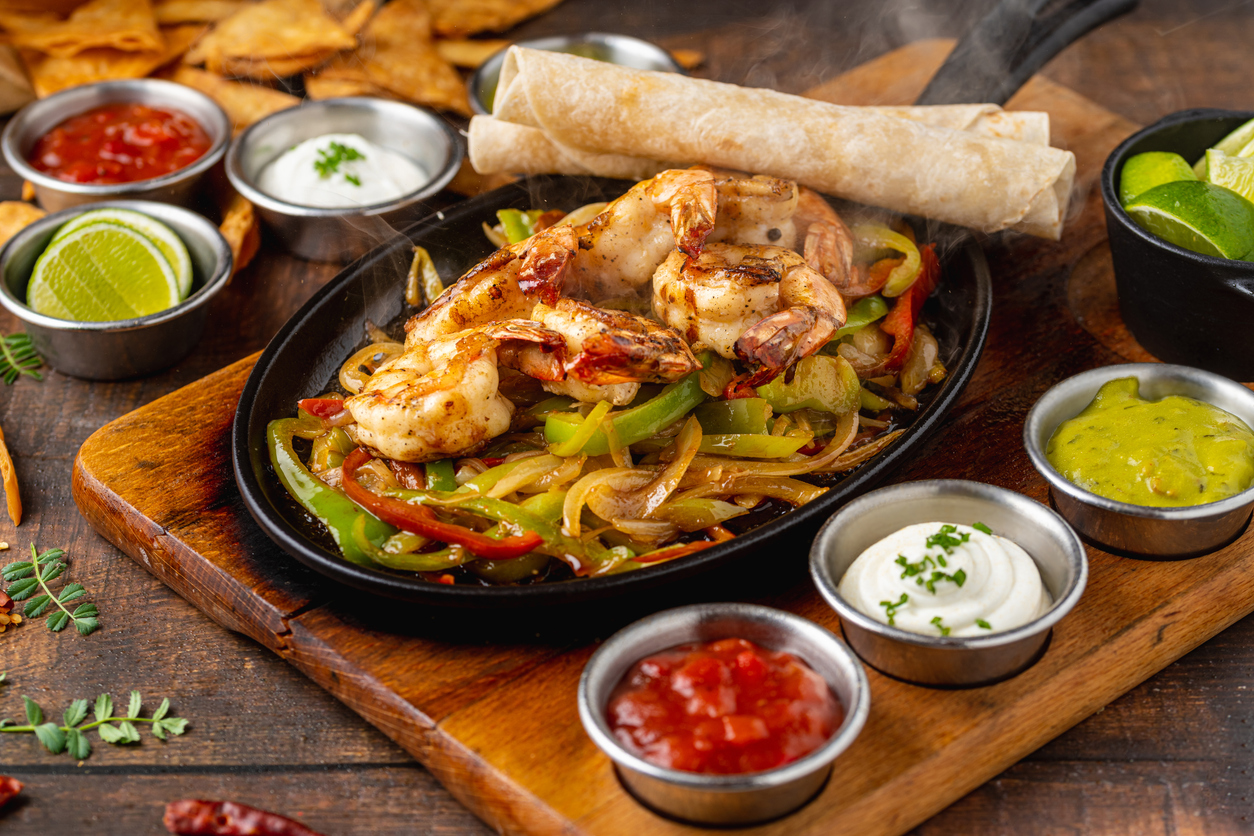
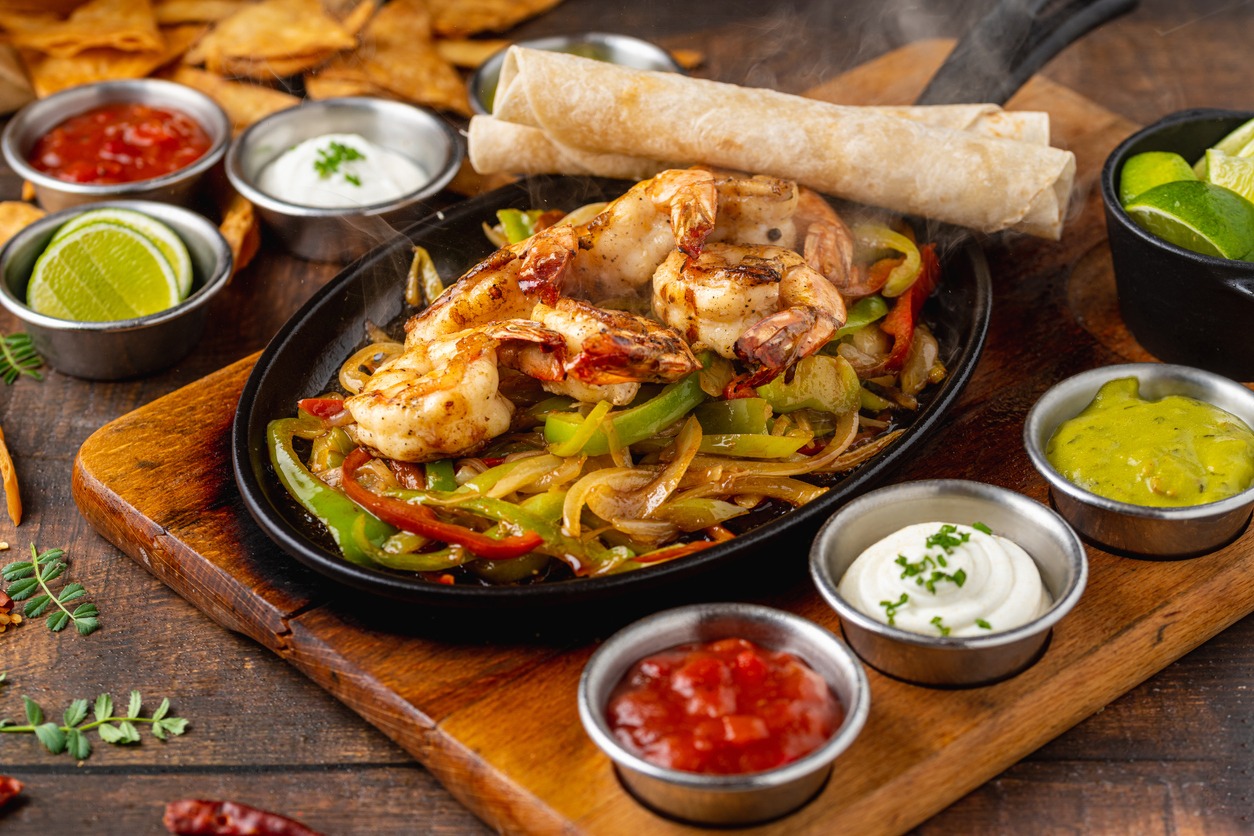
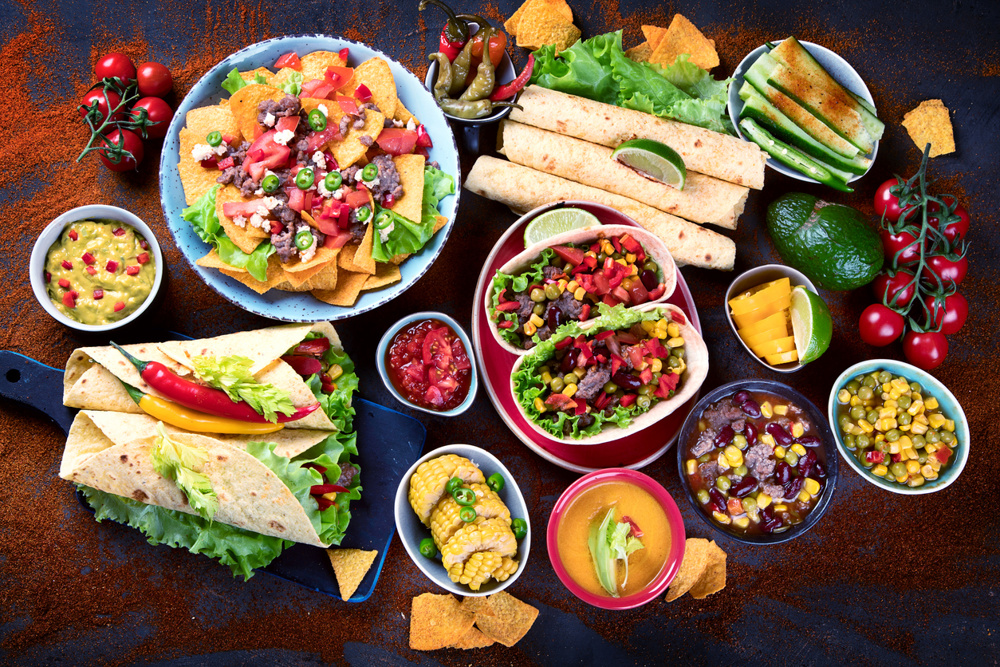
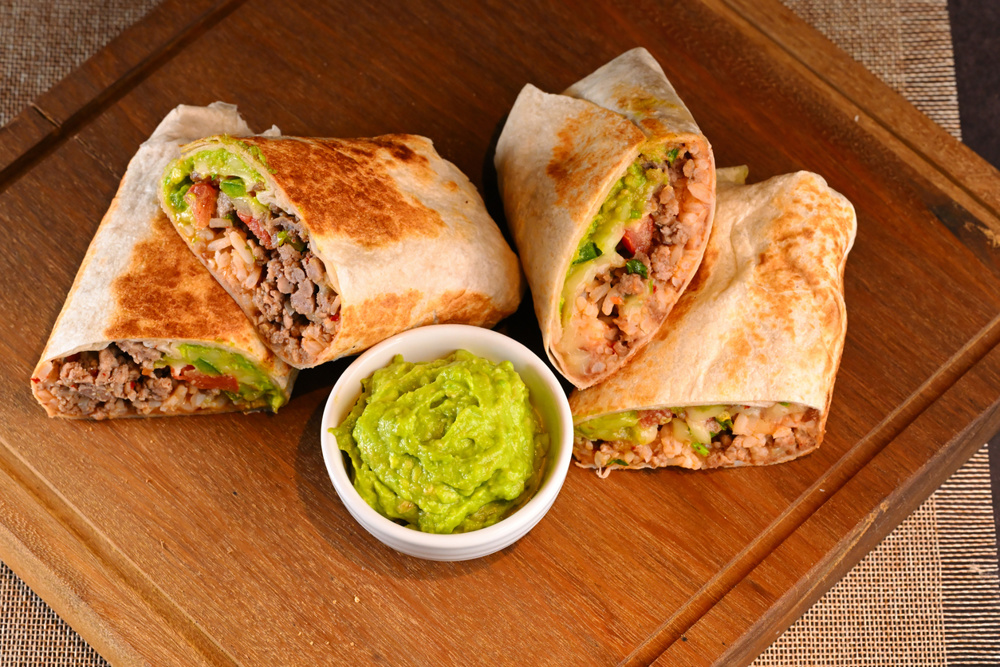
Few culinary traditions have achieved the level of mainstream acceptance enjoyed by Tex-Mex cuisine. Developed through the blending of Mexican cooking traditions and Texas ingredients, Tex-Mex created flavors that felt both familiar and exciting to American diners. Dishes such as tacos, enchiladas, nachos, fajitas, and chili became staples in households and restaurants across the country.
Part of its success stems from accessibility. Ingredients like cheese, beef, beans, and flour tortillas were readily available to American consumers, making the cuisine easy to embrace. Restaurants ranging from family-owned establishments to national chains helped introduce Tex-Mex to new audiences, while fast-food companies transformed items such as tacos and burritos into everyday menu choices.
Today, Tex-Mex represents a multibillion-dollar industry and remains one of the most popular dining categories in the United States. Its appeal extends beyond convenience and flavor. Like the music that inspired it, Tex-Mex food tells a story of cultural exchange, adaptation, and innovation. Every plate reflects generations of influence from both sides of the border, making it one of the most visible examples of Tex-Mex culture's lasting impact on American life.
How Tex-Mex Became a Lifestyle Brand
As Tex-Mex music and food entered the mainstream, the culture itself began influencing fashion, marketing, and consumer trends. What started as a regional identity gradually evolved into a recognizable lifestyle associated with community, celebration, and cultural pride. Businesses, advertisers, and entertainment companies increasingly embraced Tex-Mex imagery because it resonated with audiences seeking authenticity and connection.
Western fashion provides one of the clearest examples. Cowboy boots, embroidered shirts, belt buckles, and ranch-inspired aesthetics all carry influences from the borderlands. These styles moved beyond working ranches and rodeos to become staples of mainstream fashion, appearing in music videos, films, and major retail brands. At the same time, festivals celebrating Tex-Mex food, music, and heritage attracted visitors from across the country, further expanding awareness of the culture.
The commercial appeal of Tex-Mex reflects its broad cultural reach. Restaurants, media companies, tourism campaigns, and consumer brands have all incorporated elements of Tex-Mex identity into their marketing. Rather than remaining confined to a specific region, the culture became something people could experience through entertainment, travel, food, and lifestyle choices.
Why Tex-Mex Continues to Shape Modern Culture
Tex-Mex remains influential because it speaks to experiences that are increasingly common in a connected world. Questions of identity, heritage, language, and cultural blending resonate with audiences far beyond the Texas-Mexico border. The movement's success demonstrates how local traditions can evolve into something with global relevance while still preserving their roots.
Its influence can be seen across entertainment, fashion, food, and music. Contemporary artists continue drawing inspiration from Tejano and conjunto traditions, while filmmakers and writers revisit border stories through new perspectives. Restaurants introduce updated interpretations of classic Tex-Mex dishes, and younger generations continue embracing cultural expressions that blend multiple influences rather than choosing just one.
More than a regional phenomenon, Tex-Mex has become a lasting example of how cultural exchange shapes society. Its music, stories, and flavors emerged from communities that learned to navigate different worlds simultaneously. That ability to bring people together across boundaries remains the reason Tex-Mex continues to dominate popular culture today.
Conclusion
Tex-Mex dominates pop culture because it has consistently crossed boundaries that separate genres, industries, and communities. What began as a cultural exchange along the Texas-Mexico border evolved into a powerful force that reshaped music, influenced film, transformed dining habits, and helped redefine how multicultural identity is represented in the United States.
From the accordion-driven sounds of conjunto music to the global influence of Selena and the nationwide popularity of Tex-Mex cuisine, the culture's impact extends far beyond its place of origin. More than a regional tradition, Tex-Mex has become a lasting example of how cultural blending can create something entirely new.